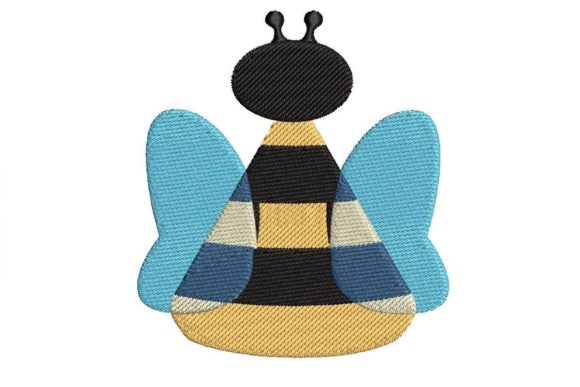
Pyramid Bee: A Designer’s Review for Handmade Projects
As an embroidery designer who spends countless hours digitizing and testing files, I have learned that not every machine embroidery design is created equal. Some are technically sound but lack soul, while others are visually charming but nightmare to stitch. When I first encountered Pyramid Bee on Creative Fabrica, I was immediately drawn to its whimsical geometry mixed with organic charm. It sits comfortably in the Bugs category, yet it feels more like a piece of modern nursery art than a standard insect motif. For those of us running small businesses or creating personalized gifts, finding a design that bridges the gap between cute and sophisticated is rare. This review explores whether this specific embroidery file holds up under the scrutiny of real-world production.
First Impressions and Visual Appeal
The immediate standout feature of Pyramid Bee is its unique structural approach. Unlike traditional realistic bee designs that rely heavily on complex shading, this design utilizes a geometric, pyramid-like structure to define the body. This gives it a contemporary, almost origami-inspired aesthetic. For embroidery designers, this simplification is a double-edged sword; it reduces stitch count complexity but demands precision in alignment. The visual mood is playful yet clean, making it exceptionally versatile. It does not scream "children's item" in a way that limits its marketability to only toddlers. Instead, it has a stylized appeal that can work for trendy teen apparel or minimalist home decor.
The detail level is moderate, focusing on bold shapes rather than microscopic intricacies. This is crucial for commercial viability. Designs with excessive tiny details often result in thread breaks or puckering, especially when scaled down. Pyramid Bee appears to balance decorative appeal with stitchability, suggesting it was digitized with practical application in mind. The stitching personality seems to lean towards a mix of fill stitch for the body segments and potentially satin stitch for outlines or wings, though this depends on the specific file variations provided in the download.
Real-World Application for Small Businesses
When considering a new Creative Fabrica embroidery asset, I always ask: where will this sell? The product description suggests baby bibs, onesies, room decor, bed sheets, toys, and pajamas. These are solid starting points, but experienced sellers know we must think broader. Here is how I envision using this design in a commercial context:
- Custom Apparel: The geometric nature of the bee makes it ideal for sweatshirt embroidery. Placed on the left chest of a neutral-toned hoodie, it creates a boutique look that appeals to young adults, not just parents.
- Tote Bag Design: Canvas bags are a staple for craft fairs. A larger version of this design could serve as a central focal point, offering a cheerful pop of color against natural cotton.
- Embroidered Patch: Because of its defined edges, this design would translate beautifully into an iron-on patch. Patches are high-margin items that allow customers to customize their own jackets or bags later.
- Nursery Decor: Beyond bed sheets, consider embroidering this onto pillow covers or wall hangings. The "pyramid" aspect gives it a modern edge that fits well with current Scandinavian-style nursery trends.
For Etsy sellers and handmade shop owners, versatility is key. A design that only works on onesies limits your customer base. Pyramid Bee offers the flexibility to create a cohesive collection across different product types, from kitchen towels to caps. This consistency helps build brand recognition, as customers begin to associate your shop with this distinct, stylish aesthetic.
Technical Considerations and Stitching Performance
Before running a full production batch, any professional must address the technical realities of the digital embroidery file. While the design looks promising, several factors require careful attention during the test phase.
Fabric and Stabilizer Choice: The description mentions use on various textiles. However, stitching on stretchy fabric like jersey for onesies requires a cut-away stabilizer to prevent distortion. For woven fabrics like canvas tote bags or aprons, a tear-away might suffice, but given the potential density of the geometric fills, I would recommend a medium-weight cut-away for durability, especially if the item will be washed frequently. Always test on scrap fabric first to check for puckering.
Hoop Size and Scaling: One of the most critical checks is confirming the hoop size compatibility. Geometric designs can look distorted if scaled improperly. If you plan to shrink this design for a baby bib, ensure that the smallest details do not become too dense or too small for your machine’s needle to handle. Conversely, enlarging it for a pillow cover should not reveal gaps in the fill stitches. Check the stitch density in your software before hitting start.
Thread Color Contrast: The success of this design relies heavily on color choice. A traditional yellow and black scheme is safe, but to elevate the product value, consider unconventional palettes. Think pastel pinks and greys for a gender-neutral baby gift, or earth tones for a rustic home decor item. High contrast between the thread colors and the fabric is essential for the geometric lines to pop. On dark fabric, ensure you have enough underlay stitches to prevent the background color from showing through the fills.
Enhancing Product Value and Brand Trust
Using a high-quality design like Pyramid Bee directly impacts buyer trust. Customers can spot poor digitization from a mile away—loose threads, misaligned elements, or fabric pulling all signal low quality. A clean, crisp stitch-out signals professionalism. When you present a finished product with precise embroidery, you justify a higher price point. It transforms a simple t-shirt or towel into a personalized gift that feels curated and special.
Furthermore, this design lends itself well to printable mockups. Before you even stitch a single thread, you can visualize the design on various products using digital tools. This allows you to create compelling marketing materials for your online store, showing customers exactly how the bee looks on a cap versus a tote bag. Effective visual presentation drives engagement and sales.
Final Verdict and Practical Advice
Is Pyramid Bee worth downloading? For designers looking to expand their portfolio with something that is both cute and modern, yes. It offers a fresh take on the ubiquitous bee motif, moving away from cartoonish styles toward something more graphic and design-forward. However, success lies in the execution.
- Verify File Details: Before purchasing, check the Creative Fabrica product page for specific file formats (PES, DST, JEF, etc.) to ensure compatibility with your machine.
- Check Licensing: Confirm the license terms. Most Creative Fabrica designs allow for commercial use of finished physical products, but always double-check to protect your business.
- Test Rigorously: Do not skip the test stitch. Run the design on the actual fabric you intend to sell. Inspect small details after stitching to ensure no thread breaks or jumps occurred.
- Consider the End User: If making items for children, ensure all threads are secure and trim any loose ends meticulously. Safety and durability are paramount for baby items.
In conclusion, Pyramid Bee is a strong contender for your next commercial embroidery project. It balances aesthetic charm with practical application, provided you respect the technical requirements of the stitch out. By pairing this design with high-quality materials and careful craftsmanship, you can create standout pieces that resonate with customers looking for unique, handmade treasures. Whether you are decorating custom apparel or crafting seasonal gifts, this design offers the flexibility and flair needed to make your products shine.