The Great Bear: A Designer’s Review for Nursery Projects
When I first pulled up The Great Bear on my screen, I wasn’t looking for just another cute animal motif. As a designer who spends hours tweaking stitch paths and testing tension on various fabrics, I look for balance, clarity, and versatility. This design, categorized under Woodland Animals, immediately struck me as a strong contender for nursery decor and baby items, but I needed to know if it could hold up in a real-world production environment. Would it stitch cleanly on a textured towel? Would the details get lost on a small cap? Here is my practical breakdown of using this machine embroidery design for client work and small business products.
First Impressions and Visual Personality
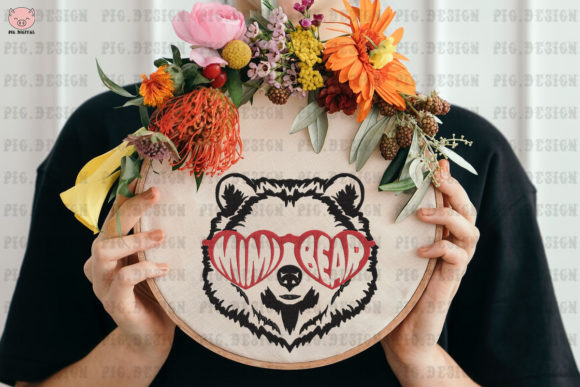
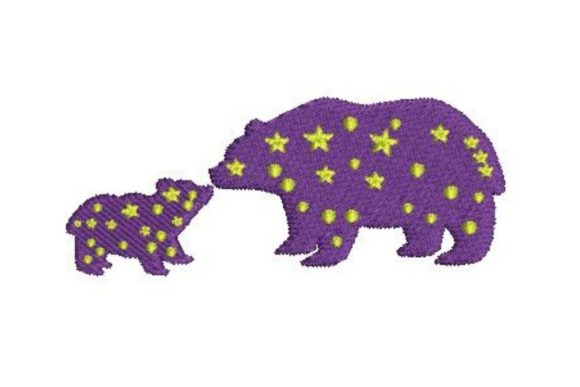
The mood of The Great Bear is gentle yet grounded. It avoids the overly cartoonish exaggeration seen in many budget-friendly digital files, opting instead for a silhouette that feels warm and inviting. For a designer, this is crucial. When you are creating a personalized gift or a boutique item, the visual personality of the artwork sets the tone for the entire piece. The layout suggests a thoughtful use of space, likely relying on a combination of fill stitch for the body mass and potentially satin stitch or running stitch for finer outlines, though this varies by file version.
I appreciated that the design does not appear overly dense at a glance. High-density designs can puckers thin fabrics, so a balanced approach is essential for items like baby onesies or lightweight tote bags. The thematic fit for nursery decor is obvious, but I see potential beyond just wall hangings. This is a design that could anchor a whole collection of woodland-themed goods, from aprons to pillow covers.
Real-World Application: From Mockup to Finished Product
To test the viability of The Great Bear, I mentally walked through a recent client request: a set of custom sweatshirt embroidery pieces for a family reunion with a camping theme. This is where the rubber meets the road. A design might look perfect in a printable mockup, but how does it behave on fleece or cotton blends?
For a sweatshirt, the bear’s shape provides a solid focal point on the left chest or a larger statement on the back. Because the design comes with multiple embroidery file formats, I can ensure compatibility with various machines, which is a lifesaver when working with different equipment in a shared studio. If I were creating a tote bag design, I would likely scale the image up slightly to ensure the stitch density distributes weight evenly across the canvas fabric. Canvas is sturdy, but uneven density can cause warping over time.
Consider also the embroidered patch market. Many Etsy sellers and craft business owners create iron-on patches as low-risk inventory. The Great Bear has the kind of clean edges that translate well to a merrowed border or a simple satin edge finish. It becomes a versatile design asset that can be sold as a standalone product or used to embellish ready-made garments.
Navigating Fabric and Hoop Constraints
While the design is promising, there are areas where caution is necessary. Not every embroidery project is created equal. If you are planning to stitch this onto a curved surface, like a cap or hat, you must check the hoop size compatibility. Large, flat designs often require splitting or significant resizing to fit standard cap frames without distortion. Always review the specific dimensions provided in the file package before committing to a curved garment.
Fabric texture plays a massive role here. On a plush minky blanket, fine details can disappear into the pile. In such cases, The Great Bear might need to be simplified or stitched with higher contrast thread colors to maintain visibility. Conversely, on thin, stretchy fabrics like jersey knits for baby clothes, the stabilizer choice is non-negotiable. A cut-away stabilizer is usually best to prevent the stitches from pulling the fabric out of shape after washing. I always recommend testing the design on scrap fabric first, especially if you are new to working with delicate materials.
Dark fabrics present another challenge. If you are stitching a light-colored bear on a navy blue hoodie, you need to ensure the underlay stitches are sufficient to prevent the dark fabric from showing through the top threads. This is a common issue in commercial embroidery that can make a handmade product look amateurish if overlooked. Check your thread color contrast carefully during the digitizing preview phase.
Enhancing Brand Value and Customer Trust
Why does the quality of a single design matter for your small shop product line? Because consistency builds trust. When a customer buys a holiday embroidery gift or a custom baby item, they are buying into your brand’s reliability. A clean, well-stitched The Great Bear signals professionalism. It shows that you care about the finished product, not just the sale.
For digital embroidery file sellers, providing a design that is easy to stitch reduces customer support queries. If the design runs smoothly without excessive thread breaks or nesting issues, your buyers will return. For those selling physical goods, the tactile appeal of the stitches adds perceived value. A well-executed fill stitch feels luxurious and durable, encouraging repeat purchases and positive reviews.
Practical Notes for the Serious Maker
Before you load The Great Bear into your machine for a paid order, take these steps:
- Verify Licensing: The description mentions it can be used for crafts, but always confirm if commercial use is allowed for selling finished physical items versus digital redistribution. Never assume.
- Check Stitch Density: Open the file in your editing software. Look for areas where stitches overlap excessively. High density can lead to needle heat and thread breakage.
- Test on Similar Fabric: Do not test on muslin if the final product is denim. The tension requirements differ significantly.
- Evaluate Small Details: Zoom in on the eyes or nose of the bear. Are they too small for your needle size? Tiny details can get lost or cause jams if not properly digitized.
- Mockup in Black and White: Remove color from your preview. If the shape holds up without color reliance, the design has strong structural integrity.
In conclusion, The Great Bear is a solid addition to any designer’s library of Woodland Animals. It offers the charm needed for nursery decor and the structural simplicity required for durable custom apparel. By respecting the limitations of your hoop size, fabric choice, and stabilizer, you can turn this digital file into a high-value embroidery project that delights customers and strengthens your brand. Whether you are an experienced Etsy seller or a hobbyist making gifts for friends, this design rewards careful preparation with professional results.