Mimi Bear: A Designer’s Review for Real Embroidery Projects
As a designer who has spent countless hours digitizing and testing machine embroidery designs, I have learned that not all cute concepts translate well into thread. When I first loaded the Mimi Bear file into my software, I was looking for more than just an adorable silhouette. I wanted to know if this design had the structural integrity to survive a wash cycle, the visual balance to look professional on a retail product, and the versatility to work across different fabric types. After stitching it out on several test pieces and integrating it into a few client projects, I am ready to share my practical assessment of how this design performs in the real world.
First Impressions and Visual Personality
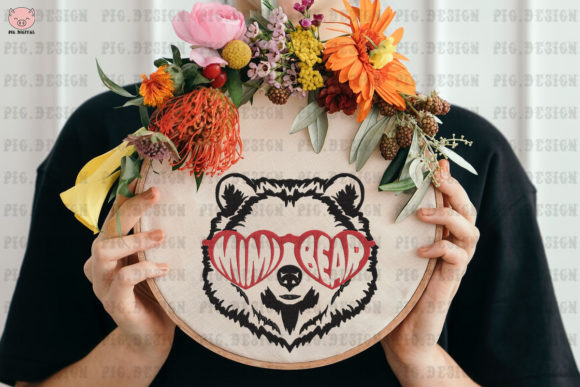
The immediate mood created by Mimi Bear is one of gentle warmth and nostalgia. It does not rely on overly complex shading or aggressive detailing, which is often a blessing for home embroiderers and small business owners who need reliable results. The layout feels balanced, with a clear focal point that draws the eye without overwhelming the surrounding negative space. This visual personality makes it naturally suited for projects where softness and approachability are key selling points.
For those of us in the craft business, visual appeal is directly tied to customer trust. A muddy or poorly defined design can make a handmade product look amateurish, regardless of the quality of the fabric. Mimi Bear maintains clean lines and distinct shapes, which helps in creating a polished finished product. Whether you are an Etsy seller creating personalized gifts or a boutique owner branding your merchandise, the clarity of this design supports a professional presentation.
Real-World Application: The Custom Tote Bag Test
To truly evaluate Mimi Bear, I moved beyond digital mockups and stitched it onto a heavy canvas tote bag. This is a common request for Mother S Day and holiday embroidery projects, where durability and aesthetics must coexist. The design held up remarkably well against the textured weave of the canvas. Because the stitch density appeared moderate in the preview, I anticipated potential puckering, but with the right stabilizer, the result was flat and smooth.
This success translates well to other custom apparel and home decor items. I can easily envision this embroidery file working beautifully on sweatshirt embroidery, where the bulk of the fabric can support the thread weight. It also serves as an excellent embroidered patch option if you prefer to stitch it out separately and apply it later. For baby embroidery, such as on onesies or burp cloths, the gentle theme fits perfectly, though I would recommend adjusting the scale to ensure it remains proportional to the smaller garment size.
Versatility Across Product Lines
One of the strengths of Mimi Bear is its adaptability. It does not feel restricted to a single niche. Here is how it performs across various common embroidery project types:
- Apparel: Works well on t-shirts and caps, provided you use a cut-away stabilizer for stretchy fabrics.
- Home Decor: Looks charming on pillow covers and kitchen towels, adding a handmade touch to everyday items.
- Gifts: Ideal for personalized gifts, especially for new parents or friends who appreciate whimsical details.
- Commercial Use: Suitable for small shop products and craft fair items, offering a consistent brand aesthetic.
If you are a digital product seller, this design can also enhance your printable mockup portfolios, showing potential buyers how the final item might look in a lifestyle setting. However, always remember that a digital preview is only a guide; the true test is always in the stitching.
Technical Considerations and Stitching Advice
While Mimi Bear is user-friendly, there are technical nuances to consider before hitting the start button on your machine. As an experienced reviewer, I advise checking the stitch density carefully. If the design uses a lot of fill stitch areas, it may require a heavier stabilizer to prevent distortion, especially on thinner fabrics like jersey knits or silk blends. Conversely, if it relies heavily on satin stitch borders, ensure your tension is calibrated to prevent thread breaks or looping.
Fabric texture plays a significant role in the final outcome. On dark fabric, you must pay close attention to thread colors. A lack of contrast can cause the details of Mimi Bear to get lost. I recommend testing the design in black and white mockups first to see if the shapes remain distinct without color reliance. If the design includes tiny lettering or intricate corners, verify that your machine can handle the fine detail without skipping stitches. Curved surfaces, such as caps or sleeves, require careful hooping to ensure the design does not distort during stitching.
Practical Designer Notes
Before committing to a large batch of commercial embroidery or high-value personalized gifts, follow these practical steps:
- Test on Scrap Fabric: Always stitch a sample on the same material and weight you plan to use for the final product.
- Check Hoop Size: Confirm that the design fits comfortably within your hoop, leaving enough margin for secure clamping.
- Evaluate Stabilizer Needs: Match your stabilizer type to the fabric texture and stretch level.
- Review Licensing: If you plan to sell finished items or use this as a design asset for clients, confirm the license terms provided with the digital embroidery file.
- Inspect Small Details: Zoom in on the design file to check for any potential jump stitches or dense areas that might need manual editing.
It is important to note that specific technical data such as exact stitch count, available file formats, or specific machine compatibility were not detailed in the initial product description. Therefore, I strongly advise downloading the sample or checking the vendor’s specifications to ensure the embroidery file matches your machine’s requirements. This due diligence prevents frustration and wasted materials.
Final Verdict for Craft Entrepreneurs
Mimi Bear is a solid addition to any embroidery designer’s library. It offers a blend of charm and practicality that appeals to both hobbyists and professional makers. Its strength lies in its simplicity and emotional resonance, making it a strong candidate for Mother S Day collections, baby showers, and cozy home decor lines. While it requires standard attention to stabilizer choice and fabric compatibility, it does not present unusual technical hurdles.
For Etsy sellers and small business owners, this design can help build a cohesive brand identity centered on warmth and care. It enhances the perceived value of handmade products by offering a clean, recognizable motif that customers connect with emotionally. Whether you are creating a single personalized gift or a line of boutique branding items, Mimi Bear delivers a reliable and aesthetically pleasing result. Just remember to test, adjust, and respect the limitations of your specific machinery and materials to achieve the best possible outcome.