Family Tree Split: A Designer’s Review
As an embroidery designer who spends countless hours digitizing and testing files, I have learned that not every design translates well from screen to fabric. When I first encountered Family Tree Split on Creative Fabrica, I was immediately drawn to its organic aesthetic. The concept of a split tree motif suggests growth, connection, and resilience—themes that resonate deeply with customers looking for meaningful handmade items. This review explores whether this specific machine embroidery design holds up under the scrutiny of professional production and real-world application.
First Impressions and Visual Appeal
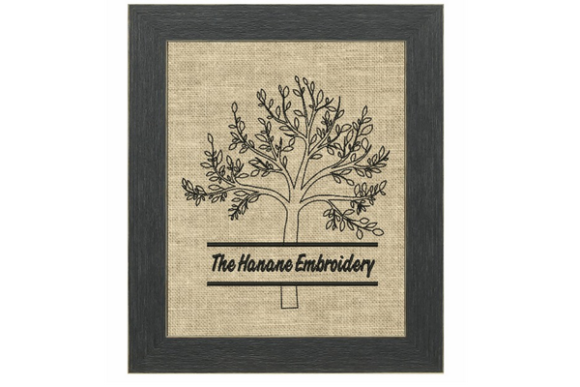
The visual mood of Family Tree Split is grounded and serene, fitting perfectly within the Forest category of embroidery themes. Unlike overly complex botanical illustrations that can become muddy when stitched out, this design appears to prioritize clean lines and balanced negative space. For those of us who value stitch personality, the initial preview suggests a harmonious blend of decorative appeal and structural integrity. It does not look like a generic clipart conversion; rather, it feels like a thoughtfully crafted piece intended for tangible use.
What stands out most is the versatility implied by the "split" nature of the tree. This asymmetry allows for creative placement on various garments and home goods. It is not just a static image but a dynamic element that can guide the eye across a garment or anchor a composition on a home accessory. For Etsy sellers and small business owners, this distinct visual identity helps in creating brand consistency across different product lines.
Real-World Application for Handmade Products
When considering Family Tree Split for commercial embroidery projects, I immediately began mentally mapping it onto different substrates. The design’s structure makes it an excellent candidate for custom apparel. Imagine this embroidered on the left chest of a high-quality sweatshirt or as a larger statement piece on the back of a tote bag. The organic lines complement the casual, comfortable vibe of these items.
For home decor enthusiasts, the product description mentions pillows, and I agree this is a natural fit. A linen pillow cover featuring this tree motif would make a sophisticated personalized gift for housewarmings or weddings. Beyond pillows, consider the potential for kitchen towels or aprons. The earthy theme aligns well with the current trend toward sustainable, nature-inspired living spaces. For nursery decor, the gentle symbolism of a family tree offers a tender touch without being overtly childish, appealing to modern parents who prefer subtle design elements.
If you are selling finished products at craft fairs or through boutique merchandise channels, this design adds perceived value. It transforms a basic item into a curated piece of art. The emotional connection buyers feel toward family and heritage can significantly boost customer engagement and conversion rates.
Technical Considerations for Stitching Success
While the aesthetic is promising, the technical execution is where many designs fail. As an experienced digitizer, I approach any new embroidery file with a critical eye toward stitch density and pathing. Although the specific stitch count and detailed format list are not provided in the brief description, the mention of multiple embroidery file formats is a positive sign. It suggests compatibility with various machines, which is crucial for professional embroiderers who may switch between single-needle home machines and multi-needle industrial units.
One must be cautious with dense stitch areas. If the trunk or branches of the Family Tree Split design rely heavily on fill stitch without adequate underlay, it could cause puckering, especially on lighter fabrics like cotton voile or lightweight linen. I recommend running a test stitch on scrap fabric before committing to a final product. Pay close attention to how the thread colors interact. High contrast between the thread and fabric can highlight imperfections, while tonal variations can add depth and texture.
Stabilizer choice is paramount. For stretchy fabrics like sweatshirt fleece or jersey, a cut-away stabilizer is essential to prevent distortion over time. For woven fabrics like tote bags or aprons, a tear-away might suffice, but always consider the end-use. If the item will undergo frequent washing, such as a kitchen towel or baby blanket, ensuring the stitches are secure and the fabric is pre-washed is non-negotiable. Curved surfaces, like caps, require careful hooping and possibly a different approach to the design’s orientation to maintain visual balance.
Enhancing Product Value and Brand Trust
In the competitive world of handmade sales, presentation is everything. Using a high-quality digital embroidery file like Family Tree Split allows for consistent results, which builds buyer trust. When customers receive a product that looks exactly like the printable mockup or product photography, their satisfaction increases, leading to positive reviews and repeat business.
This design can serve as a cornerstone for a cohesive collection. You might pair it with other nature-themed assets or use it as a standalone feature on minimalist apparel. The key is to let the embroidery shine. Avoid overcrowding the design with excessive embellishments. Let the satin stitch or running stitch details speak for themselves. This restraint often signals higher quality and thoughtful craftsmanship to the consumer.
Practical Steps Before You Stitch
Before downloading and using Family Tree Split for commercial purposes, there are several practical steps every designer should take. First, verify the license terms on the Creative Fabrica product page. Understanding whether the license covers unlimited physical sales is vital for your business model. Second, check the included hoop sizes. Ensure the design fits within the maximum hoop size of your machine, or be prepared to split and merge if necessary, though a single-hoop design is always preferable for efficiency.
Inspect the small details after stitching your test sample. Are there any loose threads or jumps that need trimming? Is the lettering, if any, legible? Tiny details can get lost if the stitch density is too low or the needle size is inappropriate. Finally, compare mockups on both light and dark fabrics. A design that looks stunning on cream linen might disappear on navy blue unless you adjust thread colors strategically.
In conclusion, Family Tree Split presents itself as a versatile and emotionally resonant addition to any embroidery designer’s library. Its potential for use in custom apparel, home decor, and personalized gifts is significant. By paying attention to technical details like stabilizer choice, thread contrast, and fabric preparation, you can transform this digital asset into a high-value finished product. For those looking to expand their Forest-themed offerings or add meaningful symbolism to their work, this design warrants a closer look and a test stitch.