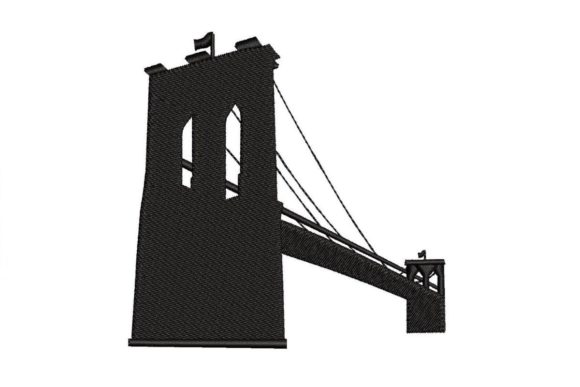
Brooklyn Bridge Silhouette: A Designer’s Review
As an embroidery designer who has spent countless weekends behind a craft fair booth, I know that not every machine embroidery design is created equal. Some are technically impressive but visually quiet, while others capture attention instantly. When I first loaded the Brooklyn Bridge Silhouette into my software, I was looking for more than just clean lines; I was looking for a product that would stop shoppers in their tracks. This review breaks down how this specific design performs in the real world of handmade sales, focusing on its viability as a craft fair product and a staple for your online shop.
First Impressions and Visual Appeal
The immediate impression of the Brooklyn Bridge Silhouette is one of modern minimalism with a touch of urban nostalgia. It does not try to be overly cute or excessively detailed. Instead, it relies on strong, recognizable shapes. For sellers targeting the North America market, iconic landmarks are perennial bestsellers because they evoke a sense of place and memory. The silhouette style ensures that the design remains legible even from a distance, which is crucial when you are trying to draw eyes to your booth display.
This design feels versatile. It is not strictly rustic or purely industrial; it sits comfortably in a contemporary aesthetic that appeals to a wide demographic. Whether you are aiming for a sophisticated boutique look or a fun, tourist-friendly vibe, this embroidery file adapts well. The description notes that it is "fun and easy to stitch," and visually, this translates to a design that does not overwhelm the fabric. It allows the texture of the material to shine through, creating a premium feel without excessive thread coverage.
Product Applications for Maximum Sales
To maximize your return on investment, you must pair the right design with the right substrate. Here is how the Brooklyn Bridge Silhouette performs across various popular handmade product categories:
- Tote Bags: This is arguably the strongest application. A large-scale version of the bridge works beautifully as a central tote bag design. Canvas totes provide a stable, flat surface that highlights the crisp edges of the silhouette. Shoppers love functional art, and this design turns a grocery bag into a statement piece.
- Tea Towels and Aprons: For kitchen textiles, scale is key. A smaller placement on the corner of a tea towel embroidery project looks elegant and unobtrusive. On an apron embroidery project, placing the silhouette near the hem or pocket adds a subtle thematic touch without interfering with the garment's utility.
- Embroidered Patches: Because silhouettes hold their shape well, this design translates effectively to an embroidered patch. Patches are low-commitment purchases for customers and high-margin items for sellers. Ensure you use a dense satin stitch border to keep the edges clean.
- Caps and Pouches: While possible, these require caution. The curved surface of a cap can distort wide designs. If using this on headwear, consider splitting the design or reducing the width significantly. For fabric pouches, it serves as a lovely focal point that elevates a simple zippered bag into a giftable item.
Production Practicality and Batch Efficiency
For any Etsy seller or small shop owner, time is money. The description states that this digital embroidery file comes with multiple embroidery sizes, which is a significant advantage. It means you can create a cohesive product line—small patches, medium pillow covers, and large wall hangings—using the same asset. This consistency strengthens your brand identity.
The claim that it is "easy to stitch" suggests optimized pathing and reasonable stitch density. In my experience, designs that are too dense can cause puckering, especially on lighter fabrics like linen or cotton blends used in small shop product lines. A balanced density ensures the finished product lies flat and feels soft to the touch, which is a major selling point for wearable items.
Photography is another critical factor. High-contrast silhouettes photograph exceptionally well for online listings. They stand out against both light and dark backgrounds, making it easier to create compelling printable mockup images for your digital storefront. Clear, bold lines reduce visual noise in photos, helping potential buyers understand the product instantly.
Careful-Use Notes and Technical Considerations
While the design is user-friendly, professional results require attention to detail. Here are specific technical considerations to keep in mind before you start mass production:
- Fabric Texture: The description mentions it looks fantastic on most fabrics, but textured towels can sometimes swallow fine details. Test on your specific towel blank to ensure the silhouette remains sharp.
- Thread Colors: Since this is a silhouette, thread choice defines the mood. Classic black or navy offers a timeless look, while metallic threads can add a festive, premium touch. Avoid variegated threads if they break up the solid shape too much.
- Stabilizer Selection: Always use the appropriate stabilizer for your fabric weight. For stretchy fabrics like t-shirts or caps, a cut-away stabilizer is essential to prevent distortion over time.
- Scale and Clarity: If you shrink the design too much for tiny accents, the connecting lines of the bridge may merge. Always stitch a test sample at your smallest intended size to confirm clarity.
- Hoop Size: Check the included files to confirm the maximum hoop size required. Ensure your machine can accommodate the largest version if you plan to make large tote bags or pillow covers.
Designer Tips for Commercial Success
Before listing your commercial embroidery products, take these practical steps. First, always test the design on scrap fabric identical to your final product. This helps you identify any tension issues or thread breaks. Second, create at least one real-life mockup rather than relying solely on digital renders. Seeing the Brooklyn Bridge Silhouette stitched out in person will help you judge the true visual impact.
Compare different fabric colors to see which combinations offer the best contrast. A white bridge on a beige bag might vanish, whereas a charcoal bridge on a cream bag pops. Finally, and most importantly, review the license terms included with your design assets. Confirm that you have the rights to sell the finished product commercially. Most reputable designers allow this, but it is vital to verify before investing in materials.
In conclusion, the Brooklyn Bridge Silhouette is a strong contender for your product lineup. It balances aesthetic appeal with production efficiency, making it ideal for both busy craft fairs and curated online stores. By paying attention to fabric choice and stitch quality, you can turn this simple Embroidery design into a standout bestseller.