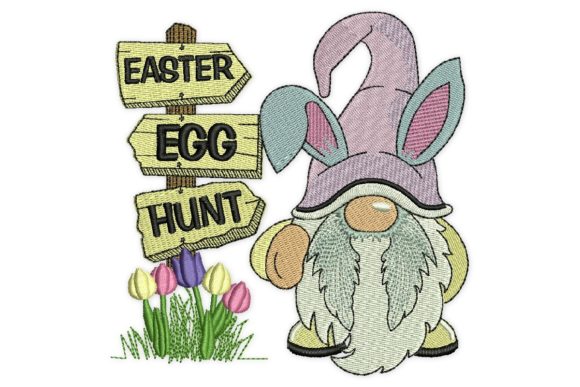
Easter Egg Hunter Gnome: A Designer’s Review
As an embroidery designer who has spent countless hours digitizing and stitching out files for clients, I have developed a keen eye for what makes a machine embroidery design truly workable. It is not just about the cute factor; it is about stitch flow, density management, and how the final product holds up after washing and wearing. Recently, I evaluated the Easter Egg Hunter Gnome to determine if it meets the rigorous standards required for professional craft businesses and boutique merchandise. This review breaks down the practical realities of using this design in real-world projects.
First Impressions and Visual Appeal
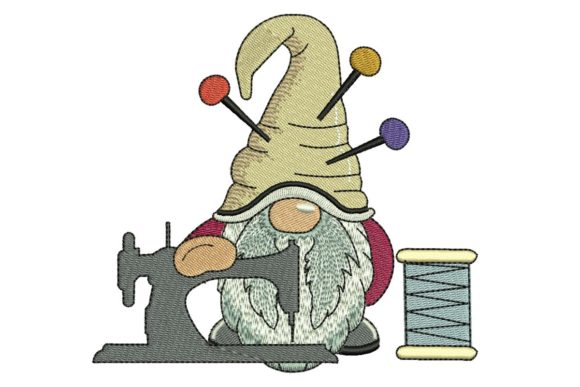
The first thing that strikes you about the Easter Egg Hunter Gnome is its balanced composition. In the world of holiday embroidery, it is easy to find designs that are overly cluttered or lack definition. This design, however, presents a clean silhouette with distinct character elements. The gnome figure is recognizable immediately, which is crucial for quick visual impact on retail shelves or online thumbnails. The layout suggests a thoughtful approach to spacing, ensuring that the details do not bleed into one another during high-speed stitching.
The mood created by this design is whimsical yet refined. It avoids the chaotic energy sometimes found in seasonal graphics, opting instead for a look that feels elegant and gorgeous when stitched onto any fabric. For an Etsy seller or small shop owner, this versatility is a significant asset. It appeals to customers looking for subtle holiday decor rather than loud, novelty items. The visual personality fits seamlessly into modern farmhouse aesthetics, minimalist nursery themes, and traditional spring collections.
Real-World Application and Product Fit
To test the viability of this embroidery file, I considered several common applications. The most natural fit appears to be custom apparel. Imagine this design centered on the chest of a high-quality cotton sweatshirt. The scale seems appropriate for adult sizes, offering a focal point without overwhelming the garment. It would also perform well as a tote bag design, where the sturdy canvas provides an excellent base for the stitches to sit flat and defined.
For those running a craft business, this design offers multiple revenue streams. It works beautifully on kitchen towels and aprons, adding a festive touch to home goods. I can easily envision it as part of a spring gift set, paired with other seasonal items. The design’s clarity ensures it remains legible even from a distance, which is essential for products displayed at craft fairs or in boutique windows. Whether used for baby embroidery on onesies or as a decorative accent on pillow covers, the gnome maintains its charm and structural integrity.
Stitching Performance and Technical Considerations
When evaluating any digital embroidery file, technical performance is paramount. While the product description notes that it is fun and easy to stitch, experienced makers know that "easy" often depends on proper setup. The design likely utilizes a combination of satin stitch for outlines and fill stitch for larger areas like the gnome’s hat or beard. This mix requires careful attention to stitch density. If the density is too high, it can cause puckering on lightweight fabrics; if too low, the backing may show through.
I recommend testing the design on scrap fabric before committing to a final finished product. Pay close attention to the transition between colors. A well-digitized file will minimize jumps and trims, reducing production time and thread waste. Check the underlay stitches to ensure they provide adequate stability for the top stitches. Using the correct stabilizer is non-negotiable here. For stretchy fabrics like jersey knits, a cut-away stabilizer is advisable to prevent distortion over time. For woven fabrics like linen or cotton, a tear-away may suffice, but always consider the end-use of the item.
Navigating Fabric and Hoop Constraints
Not every fabric is created equal, and this design requires thoughtful material selection. On textured fabrics, such as terry cloth or heavy wool, fine details might get lost. In such cases, simplifying the thread palette or increasing the contrast between thread colors can help maintain visibility. Dark fabrics present another challenge. If the design includes light-colored elements, ensure your machine’s tension is calibrated correctly to prevent the dark fabric from peeking through the stitches.
Hoop size is another critical factor. Before purchasing or downloading, verify the available formats to ensure they match your machine’s capabilities. If the design is large, it may not fit in a standard 4x4 hoop, requiring a 5x7 or larger frame. For curved surfaces like caps, special attention must be paid to placement. The gnome’s shape should align with the curve of the cap to avoid visual distortion. Always use a cap frame and appropriate stabilizer to keep the fabric taut during stitching.
Commercial Viability and Brand Consistency
For commercial embroidery projects, consistency is key. The Easter Egg Hunter Gnome offers a level of professionalism that enhances brand trust. Customers associate clean, well-executed embroidery with quality. A sloppy stitch-out can damage a reputation, but a crisp, vibrant design reinforces the value of a handmade product. This design supports that goal by providing a clear, attractive image that translates well across various mediums.
When creating printable mockups or digital previews for your online store, this design stands out. Its distinct shapes make it easy to visualize on different products, helping customers make purchasing decisions. Whether you are selling design assets or finished goods, the aesthetic appeal of this gnome adds a layer of sophistication to your Easter collection. It bridges the gap between playful and polished, appealing to a broad demographic.
Final Designer Notes
Before integrating the Easter Egg Hunter Gnome into your workflow, take these practical steps. First, confirm the licensing terms. Ensure you have the right to use the design for commercial purposes if you plan to sell items made with it. Second, inspect the file formats provided. Common formats include DST, PES, and JEF, but compatibility varies by machine. Third, run a test stitch on a similar fabric to your intended final product. Check for thread breaks, nesting, or registration issues.
Consider the color palette carefully. While the default colors may be charming, customizing them to match your brand or specific customer requests can add significant value. Experiment with contrasting threads to highlight specific features of the gnome. Finally, remember that presentation matters. A well-stitched design deserves proper finishing—trimming loose threads, pressing the item, and packaging it with care.
In conclusion, the Easter Egg Hunter Gnome is a strong contender for spring-themed projects. It balances fun and elegance, making it suitable for a wide range of applications from custom apparel to home decor. With proper preparation and attention to detail, it can become a staple in your embroidery project lineup, driving engagement and sales for your creative enterprise.